 Inksky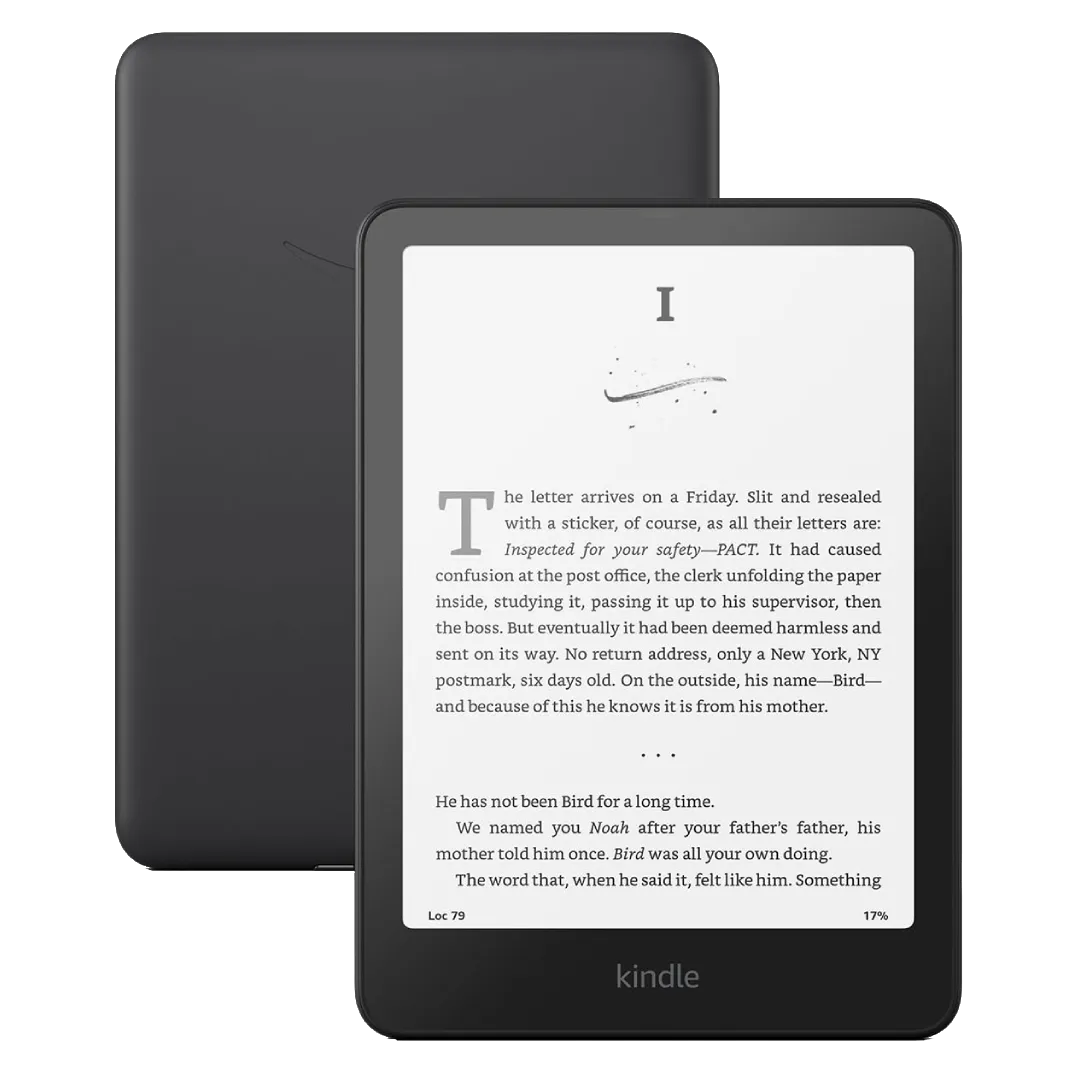
I’ve used every method Amazon offers to get books onto a Kindle, and each one has its own quirks. Depending on what you’re sending and where you are, some approaches work dramatically better than others. Here’s the real rundown.
1. Send to Kindle web page
The simplest option that nobody seems to know about: just go to amazon.com/sendtokindle. Drag a file onto the page, signed into your Amazon account, and it shows up on your Kindle within a minute or two over Wi-Fi. No app install, no email configuration. I use this more than anything else.
2. The desktop app (Send to Kindle for PC/Mac)
Amazon has a dedicated app for Windows and macOS. Once installed, you can right-click any supported file and choose “Send to Kindle.” It also adds a virtual printer, so you can “print” any document directly to your Kindle library. The Mac version is a bit less polished than the Windows one — on macOS I’ve had it occasionally fail to recognize the device until I quit and reopened. Still, for batch-sending a pile of DRM-free books, it’s the fastest method.
3. Email to Kindle
Every Kindle gets its own @kindle.com address. You can find yours under Settings → Your Account → Send-to-Kindle Email. Attach a file to an email, send it to that address, and Amazon converts and delivers it. The catch: emails are only accepted from addresses on your Approved Personal Document E-mail List (same settings page). I can’t count how many times I’ve sent something only to get a bounce-back because I was emailing from a new address I forgot to whitelist.
4. Chrome extension
The official Send to Kindle Chrome extension turns any web article into a clean, readable document on your Kindle. It strips navigation, ads, and sidebars, leaving just the text and images. It’s not perfect — code blocks and deeply nested tables sometimes get mangled — but for long-form articles and blog posts it’s excellent.
5. iOS / Android share sheet
On a phone or tablet, the Kindle app registers itself as a share target. Open a PDF or EPUB in any app that supports sharing (Files, Safari, your email client), tap Share, and select the Kindle app from the list. It’ll ask whether to add the file to your library and which device to deliver to. This is my go-to when someone emails me a document and I want it on my Kindle without touching a computer.
Format wars: EPUB vs MOBI
In late 2022, Amazon announced that Send to Kindle would stop accepting MOBI files and standardize on EPUB. Today, EPUB is the preferred format. MOBI files sent through the service are still accepted for now, but Amazon explicitly states they won’t support newer Kindle features in MOBI documents. If you’ve got an old Calibre library full of MOBI files, convert them to EPUB.
That said, the conversion isn’t flawless. Some EPUBs — especially ones with complex CSS, embedded fonts, or fixed layouts — lose formatting during Amazon’s server-side conversion. Tables can break, drop caps may disappear, and line spacing sometimes goes haywire. I always preview the first few pages on my Kindle after sending. If it looks wrong, side-loading via USB with the original file in the /documents/ folder preserves formatting that Send to Kindle’s conversion mangles.
Size matters
There’s a hard 50 MB file size limit across all Send to Kindle methods. A typical EPUB novel is well under that, but illustrated books, comics, or PDF-heavy documents can hit the wall easily. For anything over 50 MB, USB transfer is your only option.
Quick summary
| Method | Best for |
|---|---|
| Web (amazon.com/sendtokindle) | Quick one-offs, no setup |
| Desktop app | Batch transfers |
| Sharing from anywhere | |
| Chrome extension | Web articles |
| Phone share sheet | Documents received on mobile |
| USB (drag to /documents/) | Files over 50 MB, preserving exact formatting |