Sideloading sounds technical but it’s really just copying files. Every major e-reader can do it — but the quirks vary enough that you’ll want to know what you’re walking into before the cable comes out.
Kindle: the ASIN trick nobody tells you
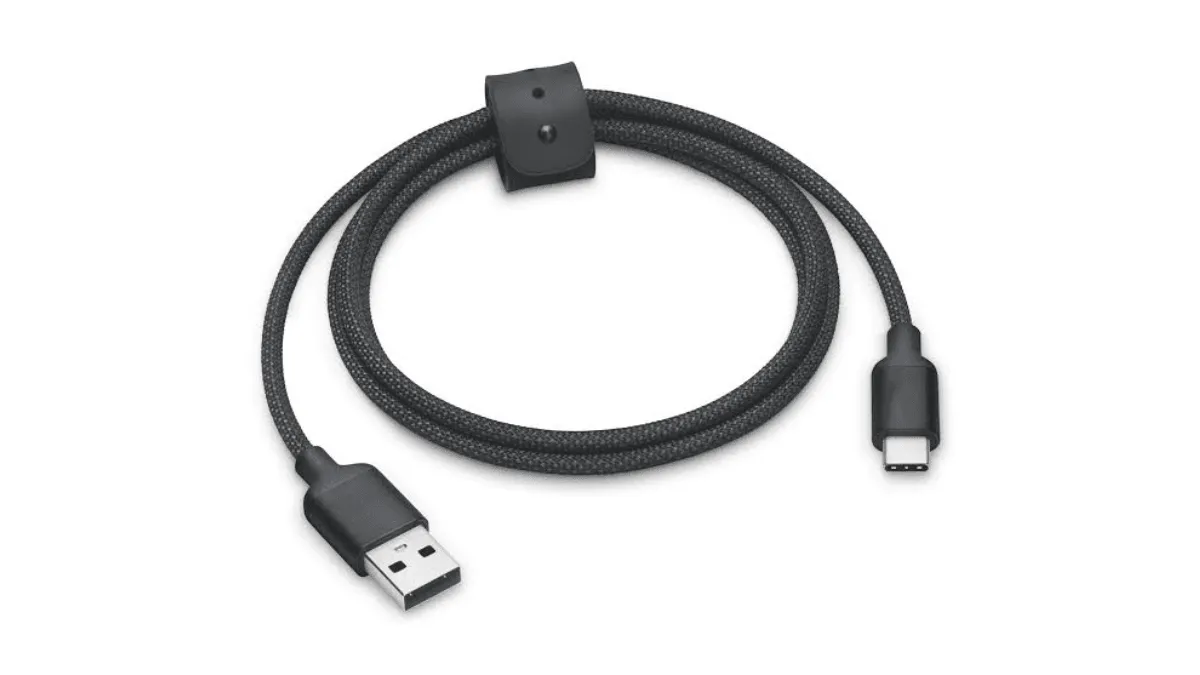
Connect a Kindle via USB and it shows up as a drive. Drop EPUBs (or AZW3 files) into the /documents/ folder, eject, and the books appear. Except the covers often don’t — you’ll see blank thumbnails in a library. The fix: before ejecting, disconnect the Kindle’s USB and reconnect it briefly. The covers will regenerate. A more permanent fix involves embedding an Amazon ASIN in the book’s metadata via Calibre, which tricks the Kindle into pulling cover art from Amazon. It’s fiddly, but it works.
Amazon’s cloud route — Send to Kindle — accepts EPUBs and delivers them wirelessly, and covers usually survive the trip. The trade-off: books you send this way get dumped into your Amazon cloud library, and Amazon does technically process the file. Some people care about that; others don’t.
Kobo: KEPUB makes a real difference
Kobo reads standard EPUBs just fine over USB. But if you want proper reading stats (time remaining, pages-in-chapter, the full progress bar), you want KEPUB — Kobo’s enhanced EPUB variant. Calibre’s Kobo Touch Extended plugin converts EPUB → KEPUB automatically when you hit Send to device. The difference is small but addictive once you notice it.
Cloud-wise, Kobo has built-in Dropbox support on its mid-range and premium models (Libra, Sage, Forma, Elipsa). Drop a book into the Rakuten Kobo folder in your Dropbox, sync the device, and it pulls it down. No cable needed.
Boox: it’s just Android
Boox devices run Android, which means the entire sideloading problem disappears. Install any file manager, plug in USB and drop files wherever you like, or sync via Google Drive, Dropbox, or any cloud app from the Play Store. NeoReader scans the device’s Books folder automatically, so even complete chaos eventually resolves itself.
PocketBook: truly format-agnostic
PocketBook is the most forgiving. Drag any format anywhere onto the device — the library picks it up on next scan. It also has baked-in Dropbox sync and a Send-to-PocketBook email service. If you’re the type who hates fussing with file formats, PocketBook is your brand.
The Calibre shortcut
Plug any device into USB, open Calibre, and it detects the device automatically. Select books, click Send to device, and Calibre converts formats to whatever the device needs on the fly. It’s the closest thing to a universal sideload button.
One hard truth about DRM
A Kindle book you bought on Amazon won’t sideload onto a Kobo, and a Kobo purchase won’t land on a Kindle. These stores wrap their books in platform-locked DRM. If you plan to switch e-reader brands down the road, think carefully about where you build a library.
Common Sideloading Problems and Fixes
Book appears but cover is missing (Kindle). The Kindle renders cover art by checking for an embedded Amazon ASIN. Without one, it shows a blank thumbnail. The fix: in Calibre, right-click the book → Edit metadata → enter a matching ASIN from Amazon for that book (or any valid Kindle ASIN if the book is not from Amazon). Then reconnect the Kindle after ejecting — the cover regenerates. This is the single most common sideloading complaint, and the ASIN trick solves it permanently.
Book not showing up in library. The device’s database needs to rescan. Safely eject, unplug USB, and wait 10-30 seconds for the library to refresh. On Kindle, books sometimes appear under “Docs” instead of “Books” — this is a metadata issue. In Calibre, ensure the book’s metadata includes proper title and author fields before sending.
EPUB fails to open (Kindle). The Kindle cannot read unencrypted EPUBs. Send to Kindle converts EPUB during cloud delivery, but USB-sideloaded EPUBs will not work. Convert to AZW3 in Calibre or use Send to Kindle for wireless delivery. Kobo and PocketBook read EPUBs natively without conversion.
Page turns are slow after sideloading (all brands). The device is indexing the new books — building a searchable text database for each file. This happens in the background and slows the device temporarily. Wait a few hours, keep the device plugged in, and performance returns to normal. Do not sideload hundreds of books at once; batch them in groups of 20-30 to avoid overwhelming the indexer.
Frequently Asked Questions
Can I sideload books from a Mac?
Yes, but macOS leaves hidden files (starting with ._) on external drives. These confuse some e-readers. Before ejecting, open Terminal and run dot_clean /Volumes/Kindle (replace with your device name). This removes macOS metadata files that can cause indexing errors. Alternatively, use Calibre’s Send to Device feature, which handles the cleanup automatically.
Which format should I sideload?
EPUB is the universal answer for Kobo, Boox, and PocketBook — it is the most widely supported, best-documented, and easiest to convert from. For Kindle via USB, use AZW3 (better typography than MOBI). For Kindle via Send to Kindle, use EPUB (Amazon converts it server-side). Avoid MOBI — it is deprecated and lacks modern typography support.
Does sideloading void the warranty?
No. Sideloading is an intended feature on every major e-reader. It does not modify the operating system, does not require a jailbreak, and is explicitly documented by Amazon, Kobo, and others as a supported workflow.
How do I get metadata and covers to show correctly?
Before sideloading, always run metadata download in Calibre: select books → right-click → Edit metadata → Download metadata and covers. Calibre fetches correct title, author, series, and cover art from online databases. Books sent to the device after this step display correctly in the library. Books sent without metadata cleanup often show “Unknown Author” or generic covers.