 Inksky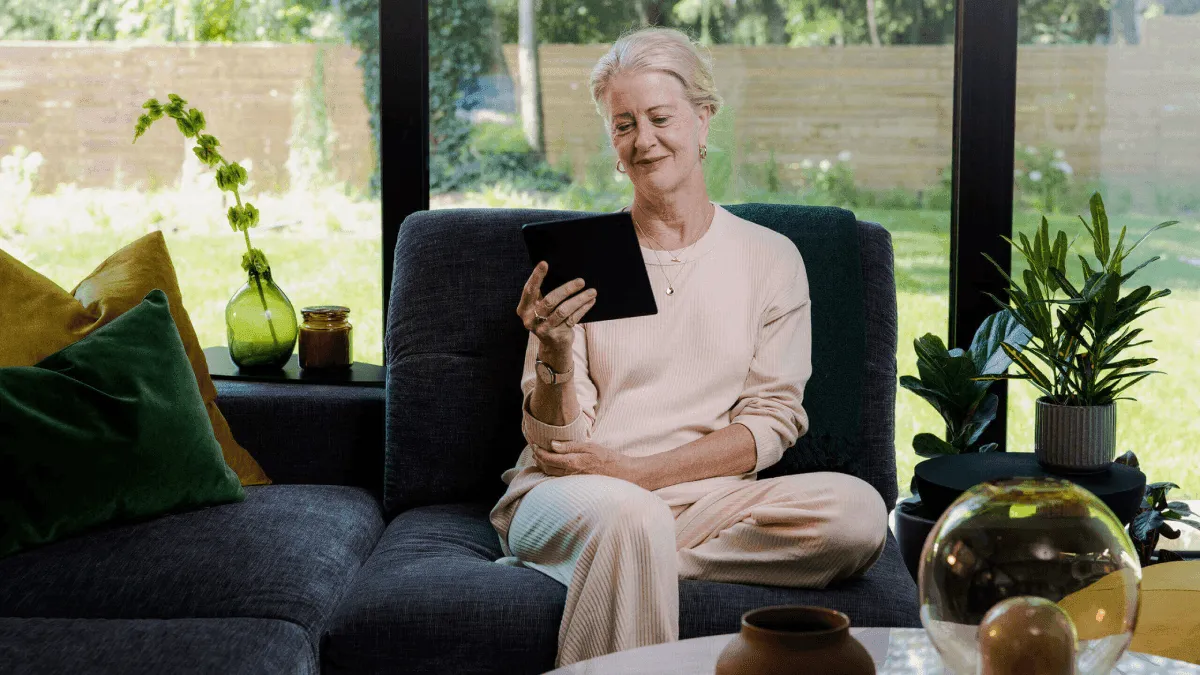
Choosing an e-reader for an older reader isn’t about the best specs — it’s about removing barriers. Large text that doesn’t require a magnifying glass. A simple interface that doesn’t bury settings in menus. A lightweight body that doesn’t strain arthritic hands. These are our top picks for 2026.
Kindle Basic (2024) — Best for accessibility features
The 12th-gen Kindle Basic punches above its weight for $109.99, and it’s the one I recommend most often for seniors for one reason: Amazon’s accessibility implementation is the best in the business. The VoiceView screen reader walks you through every menu. You can invert the screen to white-on-black for readers with light sensitivity. Font sizes go genuinely large — not just bigger, but large enough for readers with significant vision impairment. The OpenDyslexic font is built in. And at 158 grams, it’s the lightest Kindle ever made, easy to hold for long sessions.
The 6-inch 300 ppi display is sharp even at maximum font sizes, and the USB-C charging means the same cable as everything else in 2026. The trade-off: no warm light and no waterproofing. For bedtime reading, you’ll want a clip-on reading light. At this price, it’s a reasonable compromise.
Kobo Clara BW — Best for library borrowers and simplicity
The Kobo Clara BW ($139.99) is our top pick for seniors who want a clean, uncluttered reading experience without the Amazon storefront pushiness. Kobo’s home screen is simpler — your books, period. No “recommended for you” carousels, no Kindle Unlimited upsells, no Goodreads social noise. The 6-inch 300 ppi screen has the latest E Ink Carta 1300 panel with excellent contrast, and ComfortLight PRO gives you adjustable warm light for evening reading.
The killer feature for many seniors: built-in OverDrive library borrowing. If your local library supports it, you can browse and borrow directly on the device with a library card — no computer needed. The Clara BW is also IPX8 waterproof (bath and pool reading, safe from spills) and weighs 174 grams. The font size range is generous, and Kobo’s TypeGenius settings let you fine-tune weight and sharpness for every font. The only downside: no physical page-turn buttons, which some readers with dexterity issues prefer.
PocketBook Verse Pro — Best for physical buttons and format flexibility
Some readers never adjust to touchscreen page turns. Swiping feels imprecise, accidental taps flip pages backward, and smudged screens become a frustration. The PocketBook Verse Pro ($169.99) solves this with physical page-turn buttons on both sides of the device — click them with either thumb. At 182 grams with a 6-inch 300 ppi screen and IPX8 waterproofing, it’s a well-built alternative to the buttonless crowd.
PocketBook reads over 20 formats natively, so EPUBs from any source work without conversion. SMARTlight adjusts both color temperature and brightness on a schedule, mimicking natural light patterns throughout the day. The interface is functional rather than polished — expect some rough edges in the menus — but for readers who prioritize tactile buttons and format freedom, nothing else comes close at this price.
What matters most when choosing
Font scaling: All three devices above support large font sizes and multiple typefaces. Look for adjustable weight and line spacing as well — Kobo’s TypeGenius and Kindle’s font settings both offer this. Weight: Under 200 grams is the sweet spot for extended holding. All three picks qualify. Physical buttons: If dexterity is a concern, prioritize the PocketBook Verse Pro or consider stepping up to a Kobo Libra Colour for its asymmetrical button design. Library access: If your reader uses the local library, Kobo’s built-in OverDrive is the easiest path — no computer, no cables, no extra steps.
Set up the device for them. Load a few books. Turn the font up to a comfortable size. The less friction between them and the next page, the more they’ll read. And that’s the whole point.
How to Set Up a Kindle for a Senior
Setting up a Kindle for my dad brought reading back into his life after years of giving up on tiny-print paperbacks. Here’s what I learned.
Registration: Use their actual Amazon account so purchase receipts go to them. During setup, skip every trial offer — Kindle Unlimited and Audible trials auto-renew and cause confusion. Pay the $20 to remove ads. The “Special Offers” on the lock screen look like book recommendations, and I watched my dad tap on one thinking it was a library book.
Accessibility settings: Font size 10-12 is equivalent to 18-24 point large print. Boldness at 2-3 thickens letters without making them bigger, which helps more than expected. VoiceView screen reader works through Bluetooth headphones for very low vision.
Home screen: Set to Library mode (not Home) to hide Amazon’s recommendation feed. Enable Group Series so series stay together. The simpler the interface, the more confident the user.
Before handing it over: Load at least five books. Set up Libby with their library card — this is the single best feature for seniors who go through a book a week. Buy a case that folds into a stand. Tape the Wi-Fi password inside the case.
Ongoing support: Teach one thing at a time — first how to open a book, next how to adjust font size, only later how to browse. A well-configured Kindle returns hundreds of hours of reading to someone who thought books had gotten too small.