 Inksky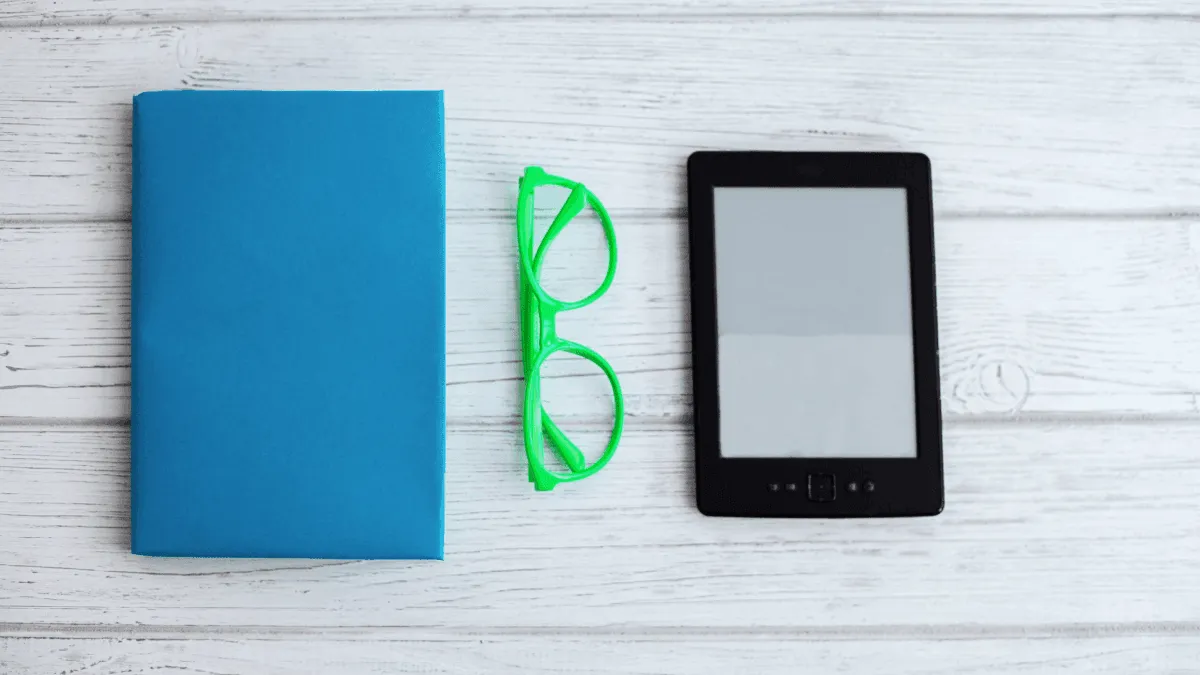
I’ve been asked at least a dozen times whether I prefer physical books or ebooks. My answer frustrates people: both. Not because I’m indecisive, but because the question assumes these are competing formats when they’re actually complementary tools for different kinds of reading.
Where physical books win
Some books demand physical presence. Art books and photography collections lose everything on a six-inch grayscale screen. Cookbooks are a nightmare on an e-reader — you can’t flip between a recipe and its technique photo, and heaven help you when flour-covered fingers touch the screen. I keep a shelf of well-loved cookbooks in the kitchen where they belong.
Collector editions are another category where digital falls flat. A leather-bound Tolkien feels like an heirloom. A signed first edition carries meaning a file can’t replicate. These aren’t just vessels for text — they’re objects with history and presence.
Then there are books with complex layouts. Poetry collections where line breaks and spacing are intentional. Graphic novels where double-page spreads are essential to pacing. Reference books where you need to flip between index and content constantly. Physical books handle these fluidly.
Where ebooks shine
Travel changes the calculus completely. I used to pack three paperbacks for a week-long trip, sacrificing precious luggage space. Now an entire library fits in a device thinner than a pencil. I’ve read a 900-page fantasy novel on a beach without wrist fatigue. Try that with a hardcover.
Research is where ebooks transform how I work. I highlight passages, export all annotations to a text file, and have a research document in seconds. With physical books I’d be transcribing quotes by hand or marking pages with sticky tabs and flipping back through them one by one. Search alone — typing a phrase and jumping to every occurrence — saves hours on a deep research project.
Novels are the sweet spot for e-readers. Most fiction is linear text with no special formatting, no images, no tables. An e-reader strips the reading experience down to pure words and I read faster, retain more, and reach for books more often because the device is always with me.
The either-or trap
The “which is better?” framing is a hangover from an era when switching between formats required a philosophical stance. In practice, the question should be: what format best serves this specific book in this specific context?
I read physical books on weekend mornings with coffee. I read ebooks in bed with the lights off and warm front light at 8. I read physical cookbooks while cooking and ebook reference books while researching at my desk. The formats aren’t competing for the same slot in my day — they occupy different rooms in my life.
If you’re someone who abandoned physical books entirely, consider what you might be missing: the tactile satisfaction of a well-made hardcover, the discoverability of browsing a physical shelf where your eye catches a spine you weren’t looking for. If you’ve sworn off screens for reading, consider what you might be missing: instant library access anywhere, adjustable font sizes for tired eyes, reading in the dark without disturbing anyone.
You don’t have to pick a side. The best reading life uses every tool available. Read the art book on your coffee table. Read the novel on your e-reader. Read the cookbook with greasy fingers. Read the research text with searchable highlights. That’s not inconsistency — it’s reading well.